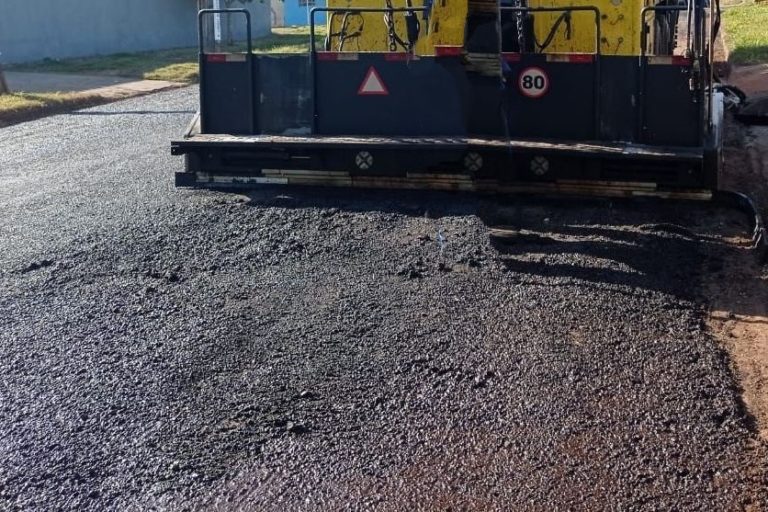
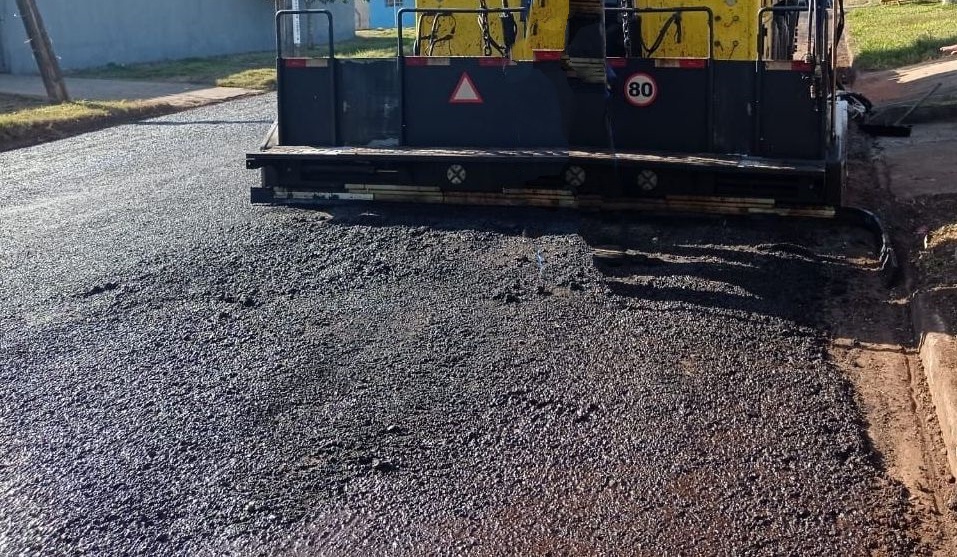
The Cold Asphalt Microcoating process is used for protection, waterproofing and surface rejuvenation of asphalt pavements that are worn by the action of traffic and atmospheric agents such as: air, sun and water, making the asphalt binder rigid and brittle due to loss of asphalt, where crack formations occur that lead to pavement deterioration.
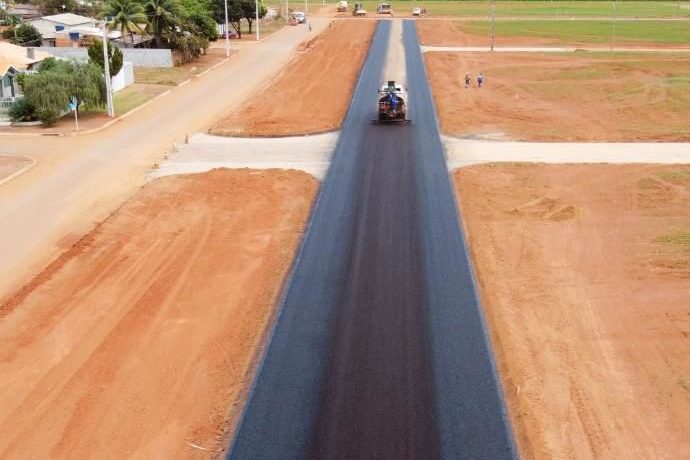
The micro paving is carried out with low energy consumption, quickly and accurately. It is a thin and waterproof mixture, being an alternative to placing a small asphalt layer, or the conventional milling and recapping process.
Some precautions to avoid the appearance of failures in the application of the micropaving must be observed:
1 – Detachment on boards of the applied layer (when it is applied on an extremely smooth floor)
2 – Problems when not using a laboratory to carry out technological control of the application
3 – Excessive binder in the microfloor results in exudation
4 – Lack of binder in the micropaving results in disaggregation of the mixture
5 – Failure to maintain equipment components. Example dispensing table, mixer, etc.
6 – Adequate training for the operation technical staff
7 – Previous repair of deteriorated pavement and cleaning of existing cracks
8 – Excessive fluidity through the phenomenon of flotation, ie the migration of the emulsion to the surface
9 – Lack of material in the distributor box can cause problems of particle size uniformity
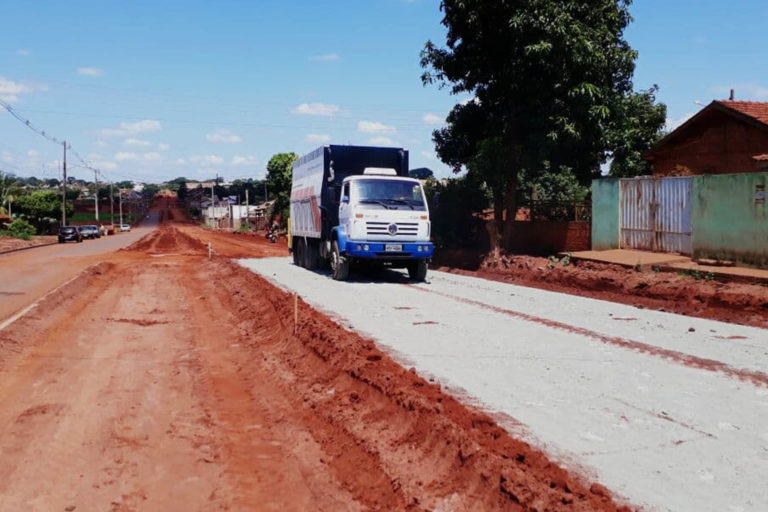
Example of failed applications
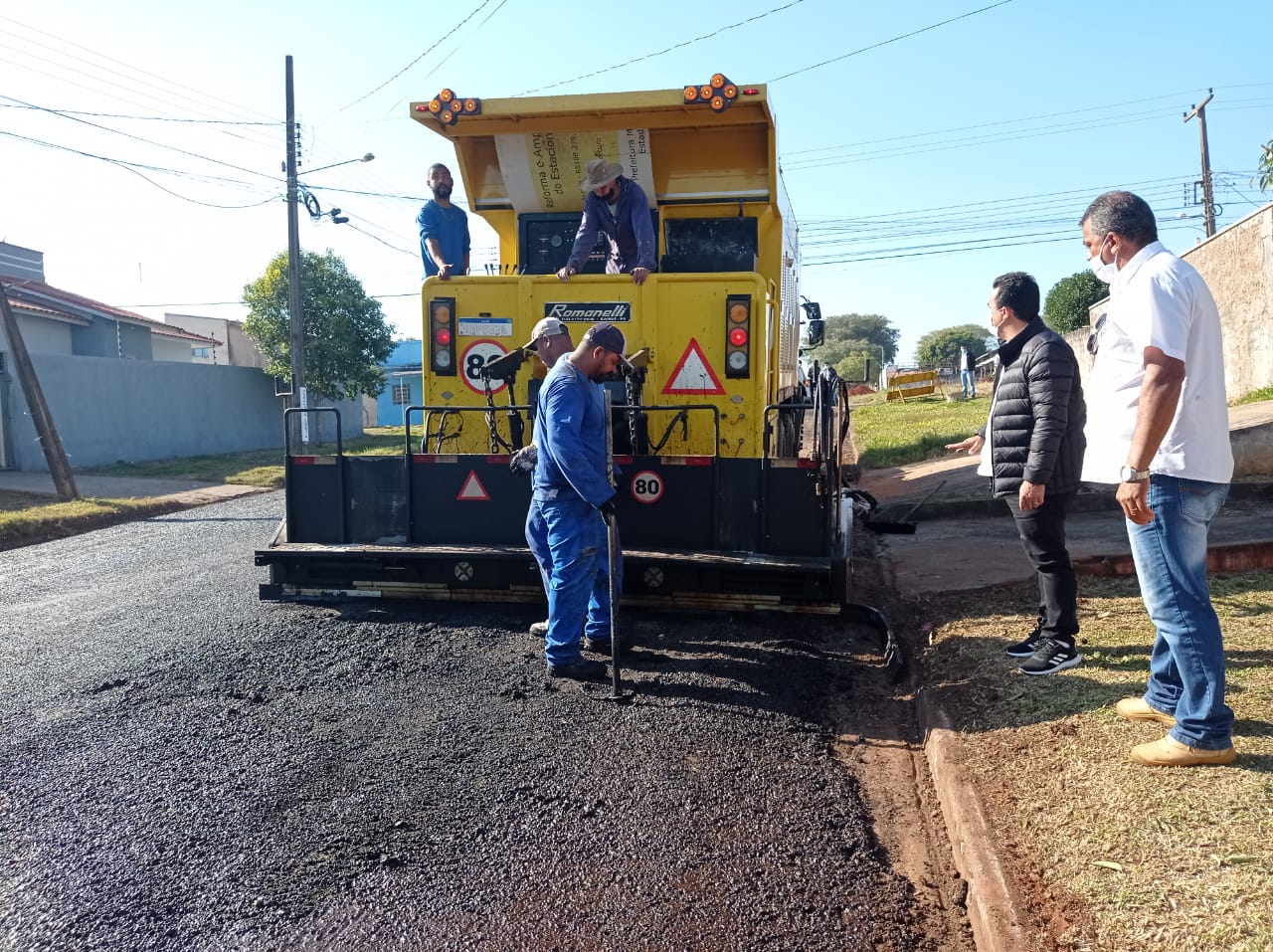
In this report up from the Tribuna da Região: During the visit to the works, the mayor was accompanying the secretaries of Planning and Transportation / Works, spoke with the newspaper’s team and explained that after the micro-pavement dries, it will be possible to assess the places where there will be a need for a second hand of the micro pavement.
The cold asphalt micro-coating application technique is quite effective when the pavement does not present a high degree of deterioration. The pavement with primary wear will have increased its useful life after receiving the application, avoiding subsequent repairs and fillers.
Author
Civil Engineer, Civil Technologist, Post Graduate in Marketing and Computer Engineering student. Speaker, professor and acting in the technical-commercial area, with international experience in national and multinational companies.
For further information: ✆ +55 19 98123-7982  latam@ldaequipamentos.com.br – Ing. Paulo Rogério Veiga Silva