

Simulation of a project to use the Cement Distribution Mobile Units
In a hypothetical study for a process of partial reconstruction of the pavement structure with the use of specific equipment for the purpose of soil stabilization with a density of 1.9 t/m³ using materials existing in the pavement structure, Portland cement ¹** , additional aggregates (gravel) and water in proportions previously defined in the project where the surface to be worked is 40,000 m² with gravel, working 8 hours / day with 2 hours of stops (lunch, coffee, analysis, etc.), having the bulk density of cement of approximately 1 t/m³, this soil stabilization must meet a minimum compressive strength value of 2.9 MPa at seven days and 4.2 MPa at twenty-eight days, using:
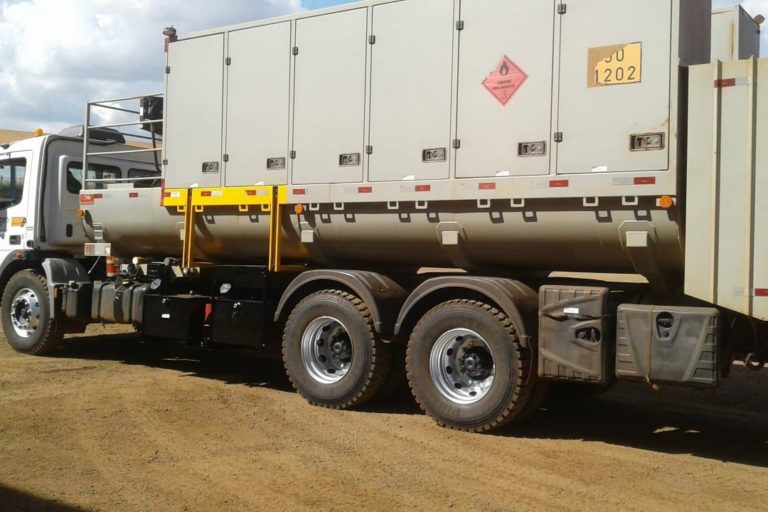
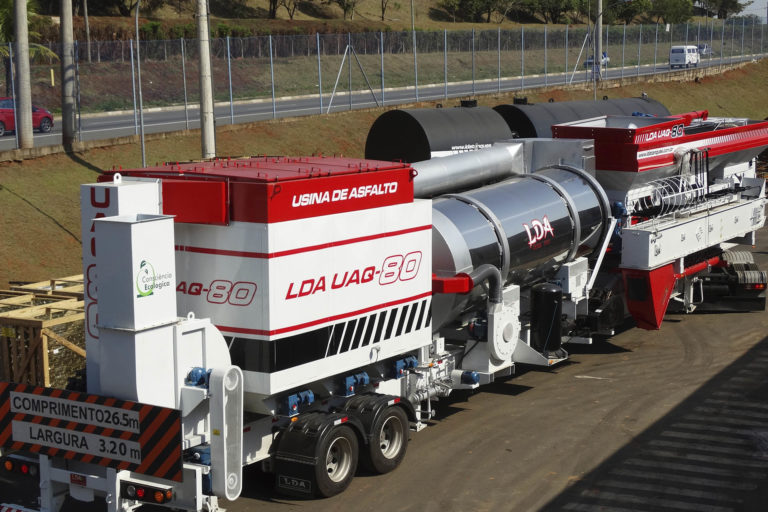
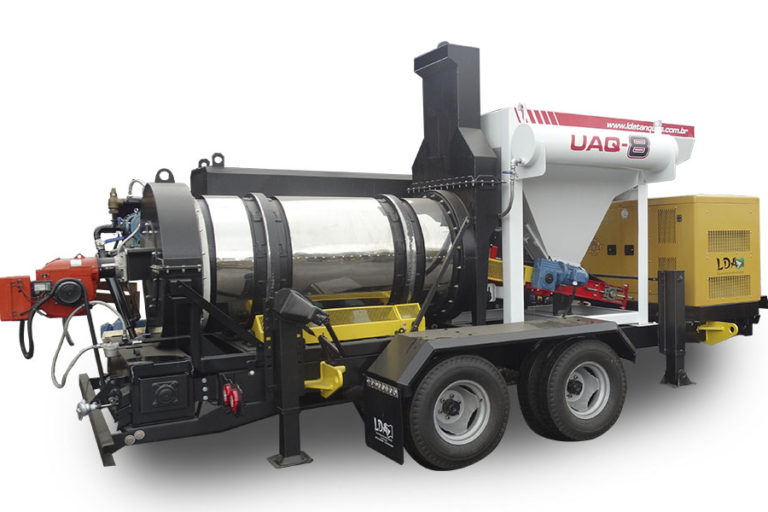
- A 20 m³ LDA cement distributor working at a speed of 2 km/h,
- A soil stabilizer with 2.4 m wide cutting drum width with 30 cm cutting depth for homogenization of the mixture and
- An 11 t single-cylinder compactor roller with a cylinder width of 2.14 m, an operating speed of 2.5 km/h and with an overlap between steps of 10 cm with the specific values of the soil, as shown in the table below:

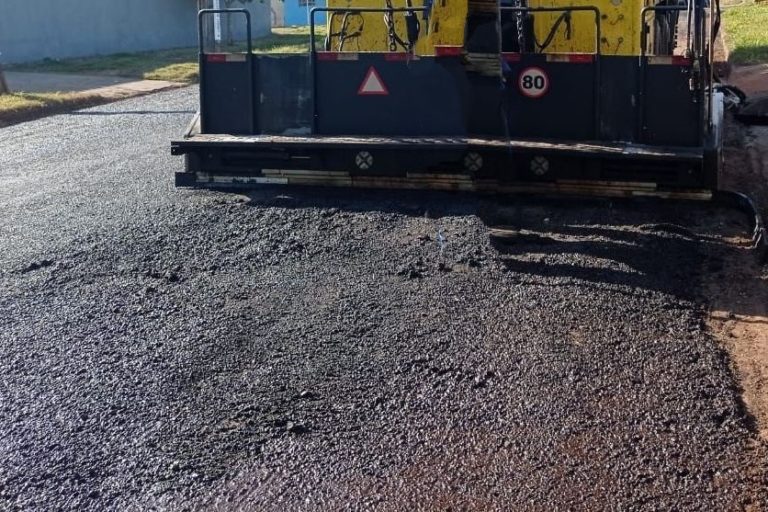
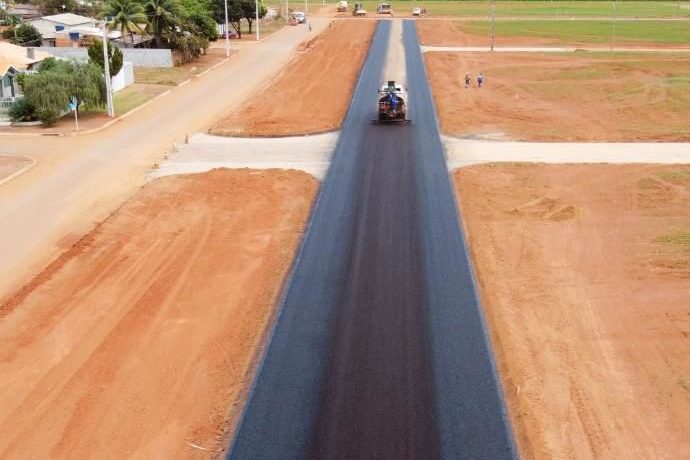
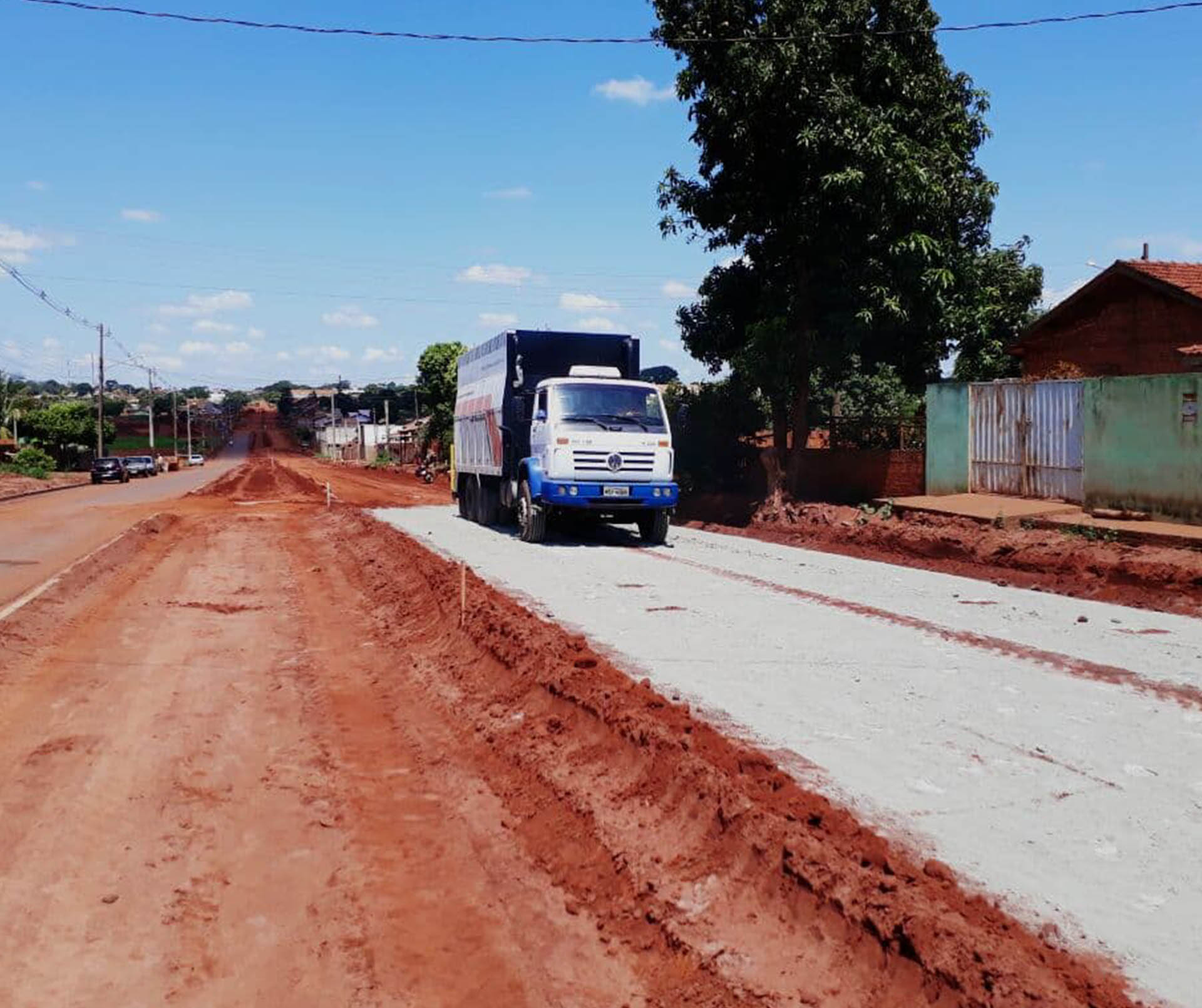
The construction process comprises the simultaneous operation of pavement disaggregation and incorporation of new materials (previously spread over the roadway), mixing and homogenization “in situ”, compaction and finishing according to alignment and dimensions defined in the geometric design, resulting in a new layer of pavement.
According to this simulation, how to solve the requests below:
- How many tons of cement are needed per day?
- How many kg of cement are needed per m²?
- In how many minutes will the cement dispenser be empty?
- How many total m² are distributed on the ground under these conditions?
- What logistical factors affect the cement distributor’s supply time?
- How many m²/h can be done by a compactor?
- Is a compactor sufficient to achieve daily production?
- What additional road rollers will be needed?
In soil stabilization and cold recycling, the spreading of large volumes of binder is essential, as well as compliance with the required level of precision. For example in technological control: determination of the cement application rate in the mixture project.
Problem solutions:
1. How many tons of cement are needed per day?

2. How many kg of cement are needed per m²?

3. In how many minutes will the cement distributor be empty?

4. ¿Cuántos m² totales se distribuyen en el suelo en estas condiciones?

5. What logistical factors affect the cement distributor’s supply time?
- Size of silos
- Number of silos
- Distance from work and silo (travel time)
- Binding agent characteristics
6. How many m²/h can be done by a compactor?

Valid for a past lane
7. Is a compactor sufficient to achieve daily production?
It depends:
- ground cover
- depth of work
- Stabilization material
- Equipment weight
8. What additional road rollers will be needed?
- Smooth
- ram’s foot
- tire rollers
¹** Portland Cement is a powdery material with binding, binding or binding properties, consisting essentially of clinker (calcium silicates and aluminates) and additions, which undergo a hydration reaction when mixed with water where the product of this mixture is a homogeneous paste and finely crystalline. This paste undergoes a crystallization process, hardening and offering high mechanical resistance.
Author
Civil Engineer, Civil Technologist, Post Graduate in Marketing and Computer Engineering student. Speaker, professor and acting in the technical-commercial area, with international experience in national and multinational companies.
For further information: ✆ +55 19 98123-7982  latam@ldaequipamentos.com.br – Ing. Paulo Rogério Veiga Silva